

The Comprehensive 2025 Update on State-of-the-Art Primary Care Medicine
Harvard Primary Care Medicine 2025 provides a comprehensive, evidence-based update on the most important advances impacting primary care clinicians across all specialties. This program is designed to help clinicians incorporate current best practices into everyday care, ensuring high-quality, patient-centered, and state-of-the-art primary care.
Formerly known as Primary Care Internal Medicine, this course is led by Harvard Medical School’s leading clinical faculty together with internationally respected guest experts and delivers more than 80 hours of in-depth clinical instruction. Education is practical, results-focused, and structured to address the full spectrum of conditions commonly encountered in primary care practice.
Held entirely online, the course utilizes live streaming, electronic Q&A, and other interactive remote-learning technologies to provide an engaging and flexible learning experience. All updates are paired with clear guidance on how to translate new knowledge and skills into everyday clinical practice.
* Date of original release: October 27 – 31, 2025
LEARNING OBJECTIVES
Upon completion of this course, participants will be able to:
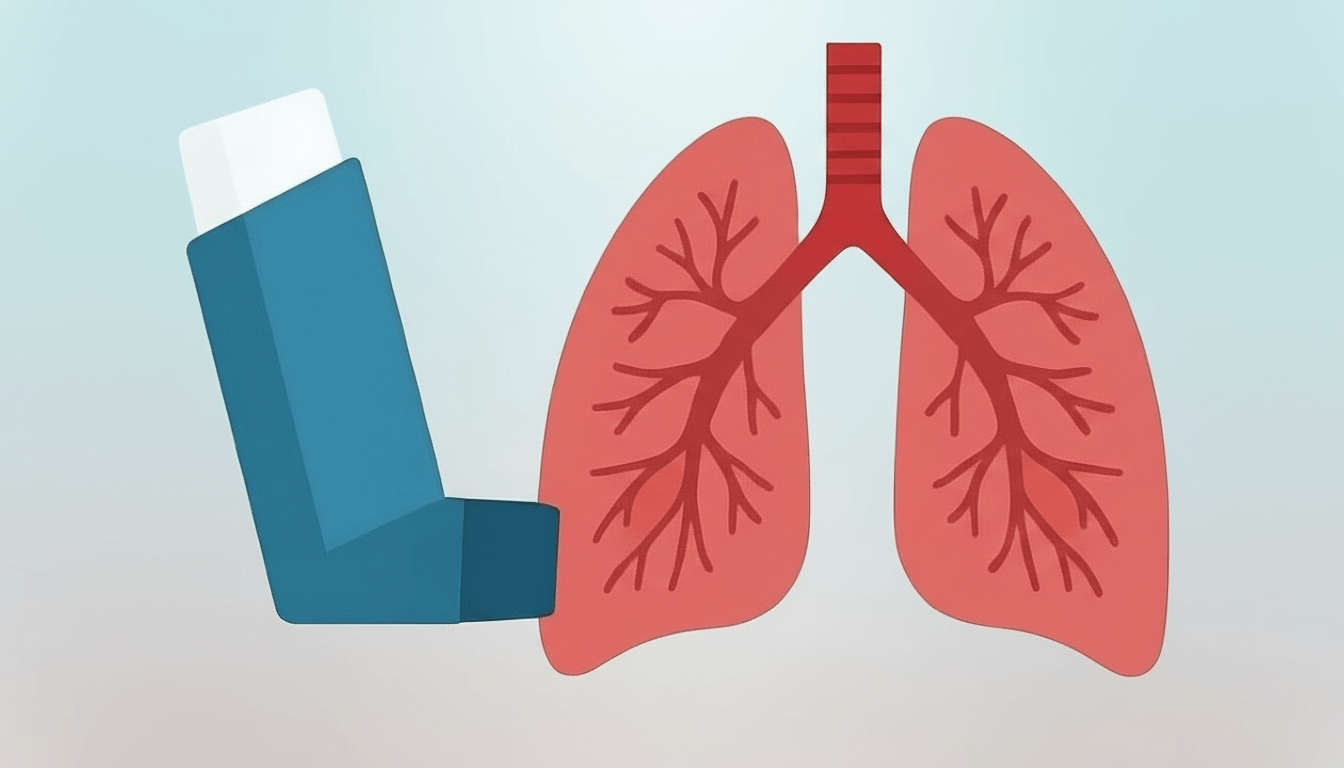
- Delineate new and evolving clinical guidelines in primary care, including the management of COPD, congestive heart failure, asthma, hypertension, osteoporosis, obesity, and menopause.
- Develop innovative skills in clinical reasoning and problem-solving to address common and complex presentations in primary care practice.
- Assess the clinical value of diagnostic tests commonly used in general internal medicine and specialty practices, including interpretation of sensitivity, specificity, and predictive values.
- Apply comprehensive, personalized care strategies that account for sex, gender identity, and individual patient circumstances.
- Recognize medication side effects, interactions, and safety concerns arising from therapies prescribed by primary care clinicians and consulting specialists.
- Discuss expected therapeutic outcomes and summarize contemporary management strategies for cardiovascular, pulmonary, neurologic, endocrine, reproductive, gastrointestinal, geriatric, psychiatric, metabolic, and infectious diseases.
- Integrate lifestyle counseling and preventive health strategies into routine clinical practice for both patient and clinician well-being.
- Identify disease prevention and health promotion priorities, including screening, vaccination, and risk reduction strategies relevant to primary care.
- Design practical and effective approaches to behavioral health challenges such as smoking cessation, alcohol use disorder, marijuana misuse, and opioid addiction.
- Apply evidence-based geriatric and palliative care strategies to support autonomy, independence, and quality of life for elderly and end-of-life patients.
- Confidently examine, evaluate, and manage patients presenting with common orthopedic and musculoskeletal complaints in the primary care setting.
HARVARD PRIMARY CARE MEDICINE 2025