
Comprehensive Neurology CME for Modern Clinical Practice
Advance your expertise in clinical neurology with Samuels Comprehensive Review of Neurology 2026, an extensive online CME program designed to strengthen diagnostic reasoning, neurologic localization, therapeutic decision-making, and long-term patient management across the full spectrum of neurologic disease.
Built upon the renowned legacy of Dr. Martin A. Samuels, this high-yield educational program features more than 60 expert-led lectures covering cognitive and behavioral neurology, stroke, epilepsy, movement disorders, neuromuscular disease, neurocritical care, neuroimmunology, neuro-oncology, sleep disorders, neuro-ophthalmology, neuroinfectious disease, pain management, women’s neurology, sports neurology, neuroimaging, artificial intelligence in neurology, and many other rapidly evolving areas of clinical neuroscience.
Designed for neurologists, neurology trainees, hospitalists, and clinicians managing neurologic disorders in everyday practice, this continuing medical education course combines evidence-based updates, interdisciplinary perspectives, and practical case-based teaching to improve diagnostic precision and patient outcomes.
Through concise and clinically focused lectures, you will learn to:
- Develop systematic approaches to neurologic localization, differential diagnosis, and clinical reasoning
- Recognize and manage common, complex, and rare neurologic disorders across inpatient and outpatient settings
- Apply current evidence-based therapies and guideline-driven treatment strategies in neurology practice
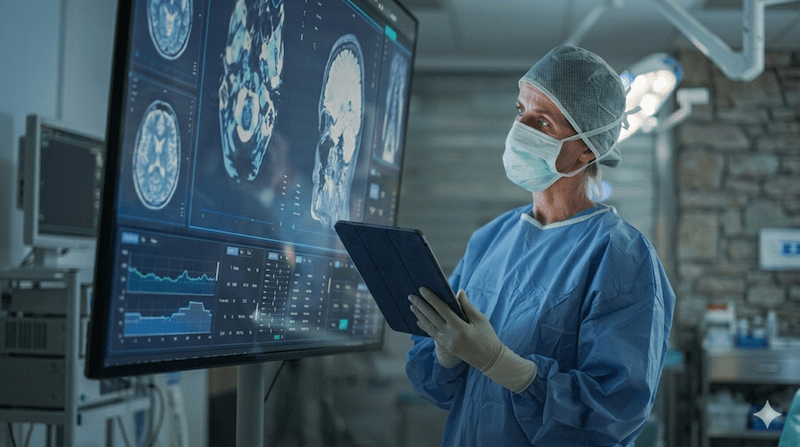
- Interpret challenging neuroimaging findings and integrate modern diagnostic technologies into clinical care
- Identify urgent neurologic warning signs requiring rapid evaluation, escalation of care, or specialist referral
- Incorporate patient-centered considerations including comorbidities, social determinants of health, and sex-related neurologic differences into treatment planning
- Explore emerging innovations including neurotherapeutics, neuromodulation, AI in neurology, robotics, gene therapy, and advanced stroke interventions
- And more…
* Date of Original Release: April 30, 2026
LEARNING OBJECTIVES
At the completion of this course, you should be able to:
- Evaluate neurologic symptoms using systematic history taking, neurologic examination, and localization principles
- Apply established diagnostic criteria and appropriate testing strategies when assessing neurologic disorders
- Differentiate neurologic diseases with overlapping or atypical clinical presentations to improve diagnostic accuracy
- Integrate evidence-based recommendations into therapeutic planning and long-term neurologic care
- Recognize neurologic emergencies and identify clinical findings that require urgent evaluation or specialist referral
- Incorporate patient-specific factors, including comorbidities and social determinants of health, into neurologic management decisions
- Interpret neuroimaging and advanced diagnostic modalities across a broad range of neurologic conditions
- Apply modern treatment strategies for stroke, epilepsy, neuroimmunologic disease, movement disorders, neuromuscular disease, dementia, and neuro-oncology
SAMUELS COMPREHENSIVE REVIEW OF NEUROLOGY 2026